
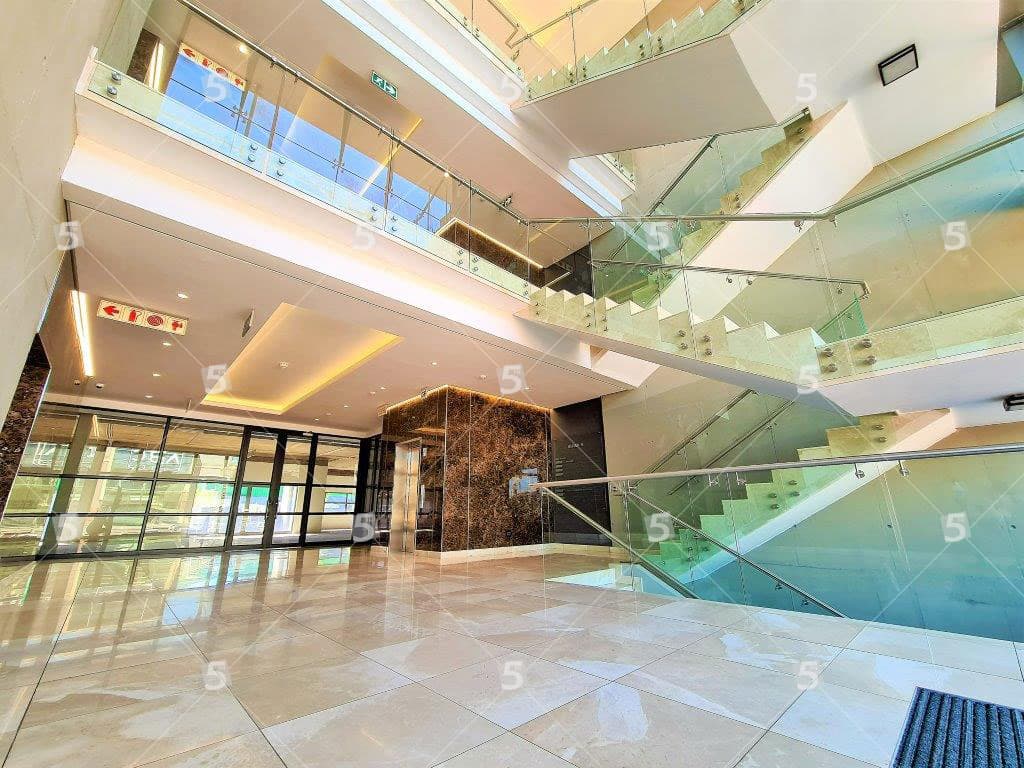
A head-office relocation affects far more than the property department. It changes staff commutes, client access, operating costs, workplace design and the organisation’s day-to-day experience for several years.
A successful move begins with a clear business requirement before buildings are shortlisted.
Define the non-negotiables
Headcount, hybrid-work policy, floorplate, meeting-space requirements, parking, public transport, backup infrastructure, branding, security, accessibility and occupation date should be agreed early.
Map your people
Where employees live matters. A prestigious address can become a retention problem if the commute is materially worse for the majority of the team.
Plan the programme
Allow time for property search, commercial negotiation, space planning, landlord approvals, fit-out, IT installation and physical relocation. Existing fitted space can materially reduce the programme.
Model the lease
Compare rental, escalation, parking, operating costs, tenant installation, beneficial occupation, deposits, guarantees, generator recoveries and lease flexibility together.
Future-proof the decision
Consider growth, contraction rights, subletting, expansion options, sustainability objectives and the organisation’s likely workplace strategy over the full lease term.
Candice's perspective
The building search is usually the easy part. The real work is translating the company’s people, operational and financial requirements into a property brief that lets us compare options properly.
Explore next
Start with The Brief, then compare Sandton, Bryanston, Woodmead, Rivonia, Sunninghill and Waterfall office options.